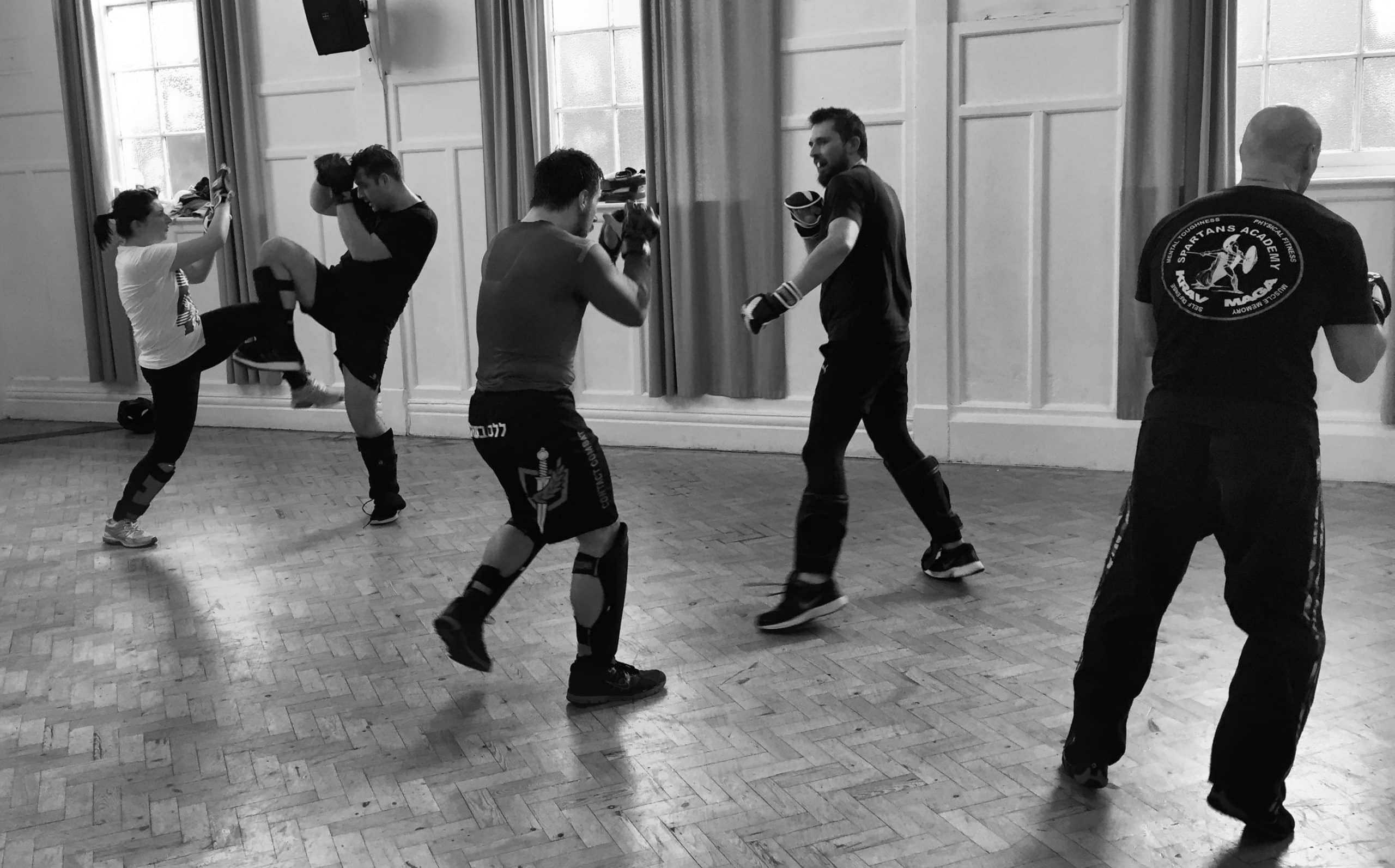
Walk into most martial arts studios and you’ll see belts, forms, and years of ranking systems designed around competition. Walk into a SGS Krav Maga class and you’ll see something else entirely — people learning to get out of a chokehold in week one, practicing how to defend against a knife by week three, and drilling what to do if they’re grabbed from behind before they’ve even bought their own training gloves. There’s no slow build-up toward “someday you’ll learn something useful.” The useful part comes first.
That difference is exactly why Krav Maga has become one of the fastest-growing self-defense disciplines worldwide, and why so many people who’ve never set foot in a martial arts gym before are giving it a try.
Where It Came From
Krav Maga was developed in the mid-20th century for the Israeli Defense Forces, built by combining elements of boxing, wrestling, and street fighting into a system that could be taught quickly and used effectively under extreme stress. Soldiers didn’t have years to master a discipline — they needed something they could learn in weeks and rely on in seconds. That origin still shapes the way it’s taught today. Every technique has to justify itself. If a move doesn’t work when someone is panicking, exhausted, or caught completely off guard, it doesn’t belong in the curriculum.
This is part of why Krav Maga looks so different from traditional martial arts. There’s very little emphasis on aesthetics or tradition for its own sake. Instead, everything is judged by one standard: does it work when it actually matters?
Training the Body to React, Not Just Perform
One of the more interesting things about Krav Maga is how much of it is built around instinct rather than memorization. Most people, when startled or threatened, already have some kind of physical reaction — flinching, raising their arms, stepping back. Traditional self-defense training sometimes asks people to override those instincts with a completely different, more “technical” response, which tends to fall apart the moment adrenaline kicks in.
Krav Maga takes the opposite approach. It works with the body’s natural reactions and refines them, so a flinch becomes a functional block and a step back becomes a way to create distance and assess the situation. Because the techniques build on what the body already wants to do, they tend to hold up far better under real stress — which is really the whole point of self-defense training in the first place. Something that only works in a calm classroom isn’t much use in an actual emergency.
More Than Self-Defense: The Fitness Factor
People often start Krav Maga purely for the self-defense angle and end up staying for the physical transformation that comes with it. Classes are intense. Pad work, striking drills, footwork, and scenario-based training all combine to create a workout that raises the heart rate fast and keeps it there. Unlike a lot of traditional cardio routines, though, the physical effort doesn’t feel like the point — it feels like a byproduct of learning something practical.
This tends to matter a lot for people who’ve struggled with motivation in a normal gym setting. Repetitive machine workouts can get tedious quickly, but a class built around solving physical problems — how do I get out of this position, how do I close distance safely, how do I generate power efficiently — keeps the mind engaged along with the body. Students frequently report better strength, better coordination, and better stamina within just a couple of months, often without setting out to “get fit” at all.
The Psychological Shift
There’s a quieter benefit to Krav Maga training that doesn’t get talked about as much as the physical side, but that many long-term students consider the most valuable part: confidence. Not the loud, aggressive kind, but a calmer, steadier sense of being able to handle whatever comes up. People who’ve trained for a few months often describe walking through a parking lot at night differently, carrying themselves with more awareness and less anxiety.
This shift tends to show up in areas of life that have nothing to do with physical danger. Assertiveness in the workplace, comfort with public speaking, willingness to set boundaries in relationships — instructors hear these kinds of stories constantly from students who never expected a self-defense class to touch those parts of their life.
Who Actually Trains in Krav Maga
A common assumption is that Krav Maga is only for young, athletic, aggressive types looking for a fight. In reality, the demographic is far broader than that. Parents train to feel more capable of protecting their families. Professionals train as a form of stress relief after long workdays. Older adults train to build strength and confidence that other forms of exercise haven’t given them. Good schools build their programs to be scaled appropriately, adjusting intensity and technique for different fitness levels and body types rather than expecting everyone to train identically.
Finding the Right School
Not every self-defense class delivers on what it promises, so choosing the right school matters. Look for instructors with genuine, verifiable experience, a curriculum that emphasizes realistic scenarios over choreographed routines, and a class environment that pushes students without making them feel unsafe or overwhelmed on day one.
For anyone in Australia looking for a program built around these principles, SGS Krav Maga is a strong option to explore. Their classes focus on scenario-based, practical training rather than rigid forms — an approach that lines up closely with what Krav Maga was originally designed to do. Students train for situations as they might actually unfold, not as they’re staged for demonstration purposes.
Taking the First Step
Most people who consider Krav Maga hesitate before their first class, usually out of concern that they’re not fit enough, experienced enough, or coordinated enough to keep up. In practice, that first class is almost always far less intimidating than expected. Reputable schools, including SGS Krav Maga, typically offer an introductory or trial class specifically designed to ease new students into the training environment without overwhelming them.
Self-defense isn’t something anyone should have to think about only after a bad situation has already happened. Krav Maga offers a way to prepare for that possibility — not through fear, but through genuine capability. Combined with the fitness and confidence benefits that come along with consistent training, it’s easy to see why so many people who try one class end up sticking with it for years.