Cell phones are convenient, but they fall apart exactly when you need communication the most — inside a warehouse with no signal, on a construction site with generators drowning out every call, or on a boat a few miles offshore. That’s why two-way radios are still standard equipment for security teams, event staff, marine crews, and industrial operations. The catch is that picking the right one isn’t as simple as grabbing whatever’s cheapest on a shelf.
Start With How the Radio Will Actually Be Used
Before comparing brands, it helps to narrow down the category:
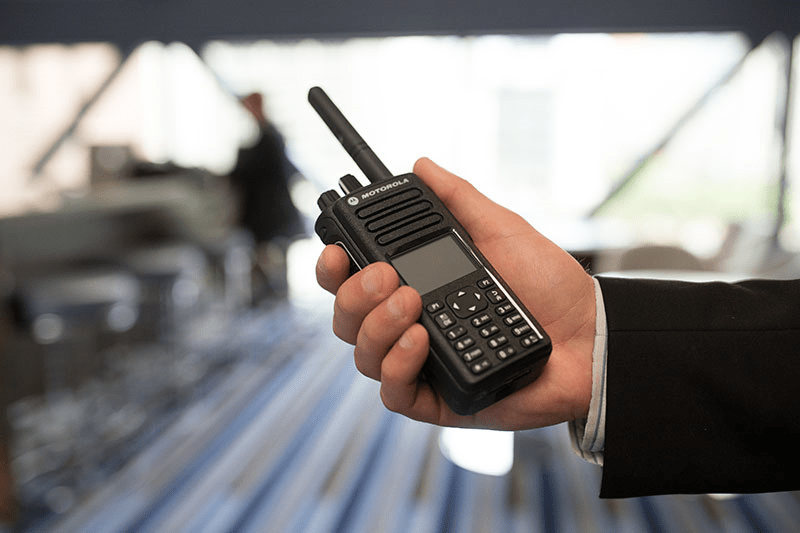
- Handheld/portable units — best for people on foot: security guards, event coordinators, warehouse staff. Battery life and ruggedness matter more here than raw power.
- Mobile radios — mounted in vehicles, these push more transmission power and suit delivery fleets, transport companies, or emergency response units.
- Base stations and repeaters — used to extend a network’s range across buildings, basements, or uneven terrain where signals would otherwise drop.
There are also specialized categories worth knowing about: marine radios built to survive saltwater exposure, aeronautical units certified for airfield and tower communication, and intrinsically safe radios designed for environments with flammable gas or dust, common in oil, gas, and manufacturing settings.
The Big Three Brands
Three manufacturers show up in most professional radio setups:
Kenwood radios are known for tough housings and clear audio in loud environments, which makes them a common choice on construction sites and factory floors. ICOM has a strong reputation in marine and aviation communication thanks to international certifications that are hard to match. Motorola remains the go-to for private security and government contracts, largely because of how well its trunked radio systems scale across large teams.
None of these is objectively “the best” — the right pick depends on the working environment, budget, and whether the equipment needs to integrate with a system that’s already in place.
Mistakes People Make When Buying
The most common mistake is shopping on price alone and later finding out the radio isn’t licensed for the frequency it’s operating on — a problem that can lead to real regulatory trouble, since two-way radios often require proper frequency licensing depending on the country and use case. Another frequent issue is trusting the advertised range too much. Manufacturers usually test range under open, line-of-sight conditions, so in a city or an industrial building with concrete walls, real-world range often ends up 30–50% shorter than what’s printed on the box.
Accessories get overlooked too. Lapel microphones, spare batteries, multi-unit chargers, and rugged carrying cases end up being just as important as the radio itself, especially for operations running multiple shifts where the equipment barely gets a break.
Where to Source Certified Equipment
For businesses and professionals looking for certified radios, repeaters, and original accessories from established brands, RadioRed carries a catalog built specifically for professional use in Mexico — covering everything from basic handhelds to marine and aeronautical-grade equipment. Working with a supplier that actually understands the differences between frequencies, licensing requirements, and use cases saves time and avoids purchases that turn out to be non-compliant.
Maintenance Nobody Plans For
A well-maintained radio can last well over a decade, but that requires a few unglamorous habits: checking battery condition every six months (batteries lose capacity even when sitting unused), cleaning charging contacts to prevent corrosion, and testing emergency channels before an actual emergency forces the issue. Teams that skip this routine tend to find out about a dead battery or a faulty unit at the worst possible time.
The Bottom Line
Radio communication still fills a gap that cell networks can’t — instant, reliable contact across a team, even where there’s no signal. Getting it right comes down to matching the radio type to the actual work environment, respecting frequency licensing rules, and not treating accessories or maintenance as an afterthought. A supplier that specializes in professional-grade equipment can make most of these decisions a lot easier from the start.